Every few months, headlines and editorials lament a familiar phenomenon of large numbers of Memoranda of Understanding (MoUs) with various states not translating into actual investments.
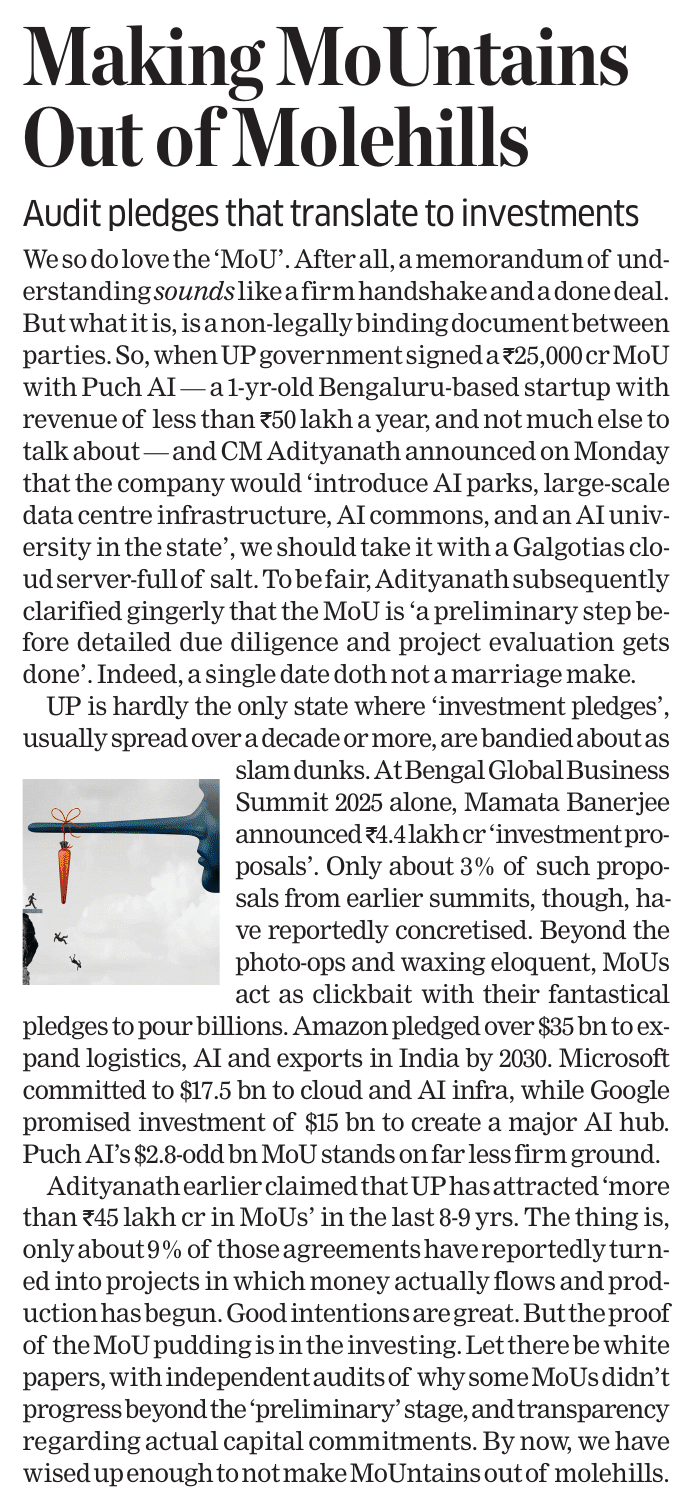
Take, for example, the editorial entitled Making MoUntains Out of Molehills in Economic Times dated 25 March 2026 (see footnotes 1 and 2).
Their tone is often accusatory – suggesting exaggeration, inefficiency, or worse.
But the critique misses funnel, a fundamental fact of business.
The Funnel Reality
In many fields – whether it’s sales, drug discovery, or venture capital – things move progressively through various stages of a funnel, not in a straight line from top to bottom.
In B2C industries, the funnel is called AIDA and has four stages, namely, Awareness ? Interest ? Desire ? Action.
In B2B industries, the funnel has five stages, as illustrated in the following exhibit.
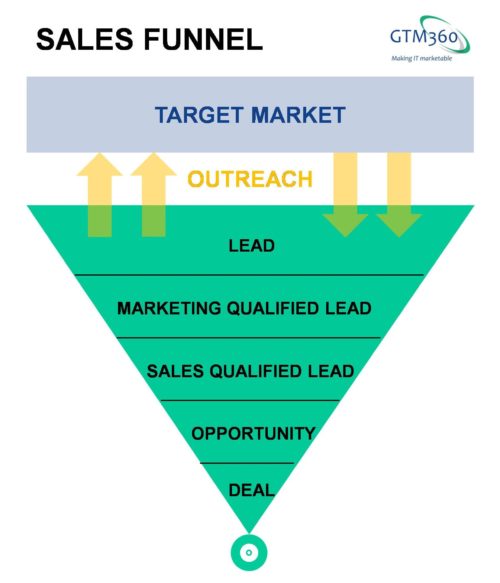
At the top of the funnel (TOFU), prospective customers have no skin in the game and show abundant interest since it comes free. At the bottom of the funnel (BOFU), money changes hands, and outcomes are scarce and costly.
Dropoff between these stages is a feature, not bug.
As industry insiders know, conversion rates from TOFU to BOFU are very low in many industries e.g.
- Ecommerce: Fewer than 5 out of 100 website visitors make a purchase.
- Credit Card: Out of every 10,000 consumers that banking DSAs (Direct Sales Agents) cold call, only one gets a credit card.
- Payments: Over 100 countries expressed interest in adopting India’s UPI A2A RTP method of payment in 2016-17. Nearly a decade later, fewer than five have actually adopted UPI.
@s_ketharaman:
2016: 100+ countries showed interest in UPI.
2025: 70+ countries visited NPCI’s office in the past 4-5 years.
Bottomline: 5- countries have licensed UPI in ~10 years.
Exhibit A: Interest ? Action. AIDA is God. No product can escape the funnel.
No one calls these failures, let alone shady.
It’s simply how funnels work. As I once pointed out, small conversions can still result in a large business.
Investment Is No Different
Investment pipelines follow the same pattern.
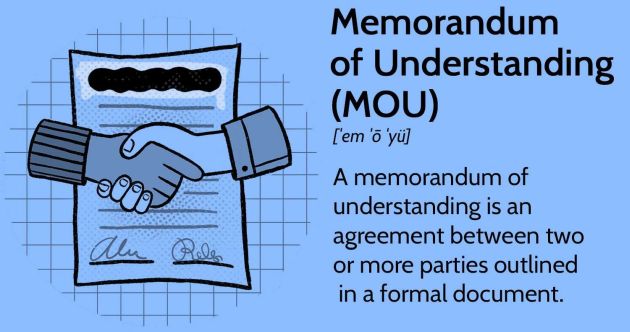
An MoU is not a commitment to invest – it is an expression of intent, and is often at a very early stage in the funnel.
Between an MoU and the actual wire transfer lie multiple layers:
- Due diligence
- Regulatory approvals
- Market changes
- Strategic reconsiderations
- Financing constraints
At each stage, projects drop off.
Seen in this light, a low conversion rate from MoUs to actual investments is not suspicious – it’s the nature of the beast.
Some people claim that, given low conversion between MoU and actual investments, states are exaggerating the investment climate by publicizing MoUs. They advocate that the government should make a song and dance of investments only after sighting good funds.
Unfortunately, they forget that, in the real world, every milestone needs to get visibility. Apart from the obvious political reasons for states to tom tom MoUs, many investors also want to be in the limelight so that they enter the investment league tables (see footnote 3). Besides, it’s a way to attract more investors.
The Misplaced Demand for Accountability
Given this reality, calls for white papers, audits, or investigations into why MoUs don’t convert are misguided.
They assume a linear world where intent should reliably lead to execution.
But business is probabilistic, not deterministic.
Demanding near-100% conversion from early-stage expressions of interest is like expecting every job applicant to be hired, or every startup pitch to receive funding. It betrays ignorance of the system.
The Real Gap: Public Understanding
The bigger issue is not the existence of drop-offs – but the lack of public understanding of them.
When people hear about “lakhs of crores” worth of MoUs, many interpret these figures as near-certain outcomes. When only a fraction materializes, disappointment follows – and with it, suspicion.
This cycle erodes trust.
Instead of carrying out audits to probe every non-conversion, we would be better served by spending the money on improving sales and marketing literacy among the populace covering:
- Funnels
- Why conversion rates are low
- How uncertainty shapes decision-making
Such literacy builds sales mojo, which is a key driver of success in entrepreneurship and is far more valuable than perfect transparency.
From Cynicism to Clarity
A society that understands how business works is less likely to jump to conclusions, assign blame prematurely, or assume bad faith.
It is more likely to:
- Take setbacks in stride
- Recognize effort even when outcomes fall short
- Engage with business narratives more critically
In short, it becomes a higher-trust society, which is a critical success factor for the accelerated growth of the economy.
MoUs that don’t convert into investments are not “mountains out of molehills.” They are simply the visible top of a funnel whose inner workings need to be better understood.
Rather than questioning the existence of drop-offs, we should focus on understanding them (see footnote 4).
Because in business – as in life – not every beginning will reach the end.
FOOTNOTE(S):
- The use of ChatGPT was made to repurpose a letter to the editor into this blog post.
- In case the above editorial entitled Making MoUntains Out of Molehills in Economic Times is paywalled, cf. the print version given below.
- A small minority of investors seek confidentiality. Give it to them – but not others.
- This is not to say that we should totally ignore drop-offs. Like businesses carry out Win-Loss analysis of key orders, there’s no harm in analyzing key MoUs that failed to convert into investments – but only after completing the funnel education.